Complete Guide to House Planning in India (2026 Edition)
By a seasoned architectural planner, this guide is crafted for those embarking on their first home-building adventure.
Published
February 18, 2026
Reading Time
4 Min Read
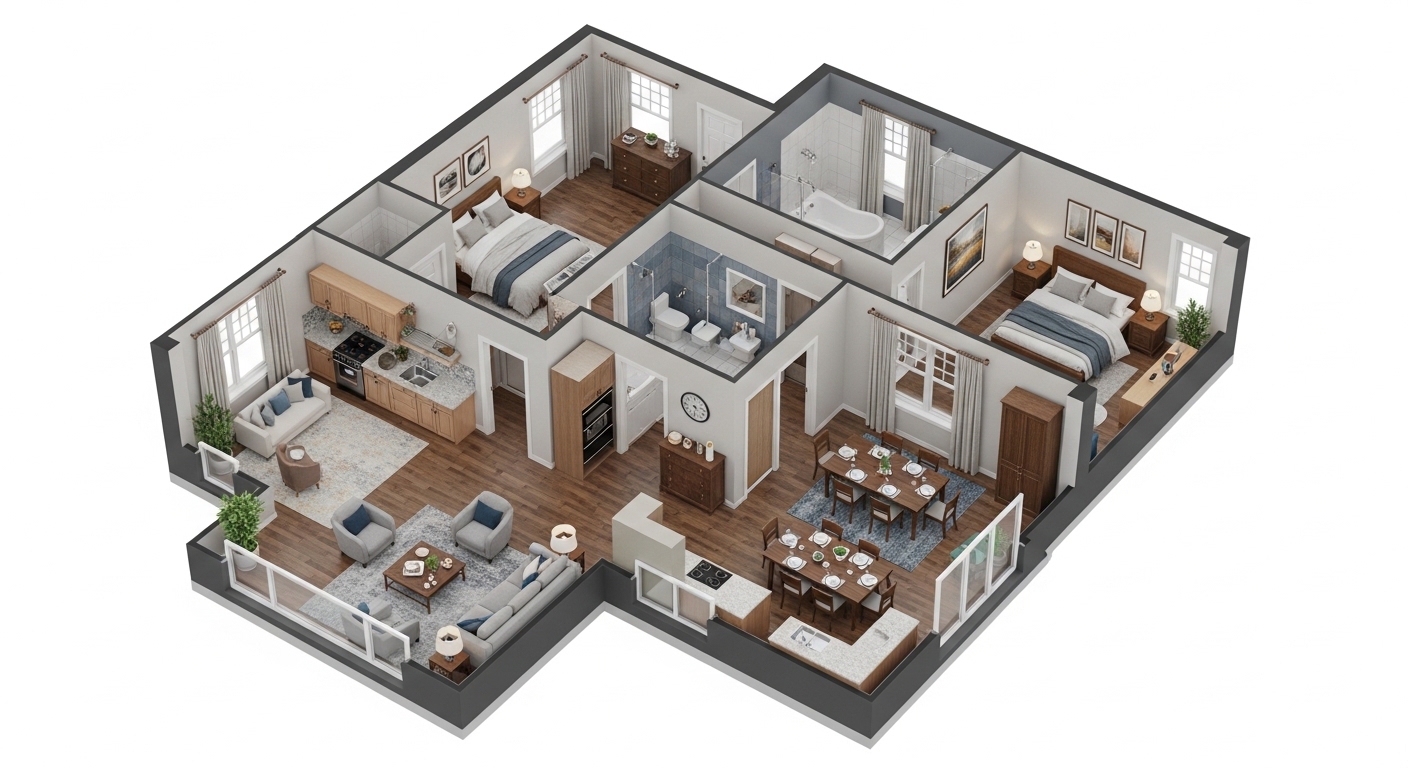
By a seasoned architectural planner, this guide is crafted for those embarking on their first home-building adventure.
Planning a home in India might seem daunting due to varying land regulations, fluctuating construction costs, and a multitude of opinions from family and builders alike. This guide aims to simplify every step, offering insights from an experienced architect who has witnessed countless home-building journeys.If you're wondering how to properly plan my plot before construction begins, this step-by-step guide will help you avoid costly mistakes and make confident decisions.
Understanding House Planning in India
Before you plan my plot and finalize drawings, it’s important to understand that house planning in India is a balance between regulations, budget, climate, and lifestyle.
House planning goes beyond drawing a floor plan. It requires a comprehensive approach that integrates lifestyle needs, legal permissions, climate considerations, structural integrity, and aesthetic desires. It’s crucial to balance aspirations with realism to avoid costly mistakes and ensure your home ages gracefully.
Defining Your Requirements
Start with a family discussion to clarify your needs, preventing redesigns and extra expenses. Consider the number of bedrooms, future family expansions, parking spaces, and lifestyle preferences like kitchen layout or the need for a home office. Clarity at this stage helps in crafting a home that feels just right.Many homeowners rush to plan my plot without first defining family requirements, which often leads to expensive redesigns later.
Choosing the Right Plot
Selecting the right plot impacts your home significantly. Pay attention to plot orientation and factors such as wind direction and sunlight, soil quality, road access, and legal verifications like Khata/Patta documents and zoning classification.
Bylaws, Setbacks & Approval Rules
Each region has unique building bylaws. Understand setback requirements, calculate the Floor Area Ratio (FAR), and get necessary approvals from local authorities like BBMP in Bengaluru or MCGM in Mumbai to avoid legal issues.Ignoring local bylaws while trying to plan my plot can result in penalties, redesign costs, or even demolition notices.
Designing the Floor Plan
A well-designed floor plan harmonizes light, ventilation, and privacy. Position living rooms near entrances while ensuring bedrooms have adequate ventilation and kitchens are efficiently laid out with proper plumbing lines. A smart plan my plot strategy always integrates floor planning with ventilation, privacy, and future expansion possibilities.
Structural Planning Essentials
Given India’s diverse climates and seismic zones, structural safety is paramount. Engage a licensed structural engineer to design footing, columns, and beams, ensuring earthquake resilience and proper waterproofing.
Electrical, Plumbing & Services Layout
Plan electrical systems with appropriate switch heights and separate circuits for appliances. Use CPVC and uPVC piping for efficient plumbing, and enhance natural light with design features like skylights.
Budgeting & Construction Cost Breakdown (2026)
Estimate construction costs based on finish quality, from basic to premium. Factor in civil work, finishing, and potential hidden costs like soil testing and approval charges to manage your budget effectively. When you plan my plot with a clear budget buffer (10–15%), you reduce financial stress during construction.
Material & Technology Trends (2026)
Adopt eco-friendly materials such as fly-ash bricks and integrate smart home features like automation and solar panels. Consider space-saving innovations for modern living.
Common Mistakes to Avoid
One of the biggest mistakes people make when they plan my plot is focusing only on appearance while ignoring structure, ventilation, and legal compliance. Avoid pitfalls like ignoring bylaws or underestimating the budget. Ensure proper ventilation and structural safety, and always formalize agreements with contractors.
Architect's Pro Tips
Maximize natural light and maintain good column spacing. Request 3D renders, keep a multipurpose room, and prioritize quality waterproofing over expensive finishes.
Do’s & Don’ts of House Planning
Do conduct soil tests and plan for future needs. Don’t rely on neighbors’ designs or compromise on structure for cost savings.
Architect vs Contractor House Planning
Understand the differences in planning quality, cost control, and customization between architect-led and contractor-led projects. If your goal is to professionally plan my plot with long-term value in mind, working with an architect usually offers better design clarity and cost control.
Frequently Answered Questions
Cost of Building in 2026?
Construction costs vary by city; expect basic finishes to start at ₹1,600–₹1,900 per sq ft, with additional expenses for approvals and interiors.
Need for an Architect?
While not mandatory, hiring an architect improves design quality, safety, and space optimization.
Required Approvals?
Obtain building plan approval and NOCs from local authorities before starting construction.
Understanding FAR/FSI?
FAR dictates construction potential, varying by region and plot characteristics.
Ventilation in Small Homes?
Use cross-ventilation, skylights, and minimal internal walls to enhance airflow.
Taking the time to properly plan my plot today ensures your home remains functional, legally compliant, and adaptable for decades to come.