Common House Planning Mistakes and How to Avoid Them
Planning a home is a unique blend of excitement and stress. You envision your future filled with cozy rooms and the promise of comfort for many years.
Published
February 18, 2026
Reading Time
1 Min Read
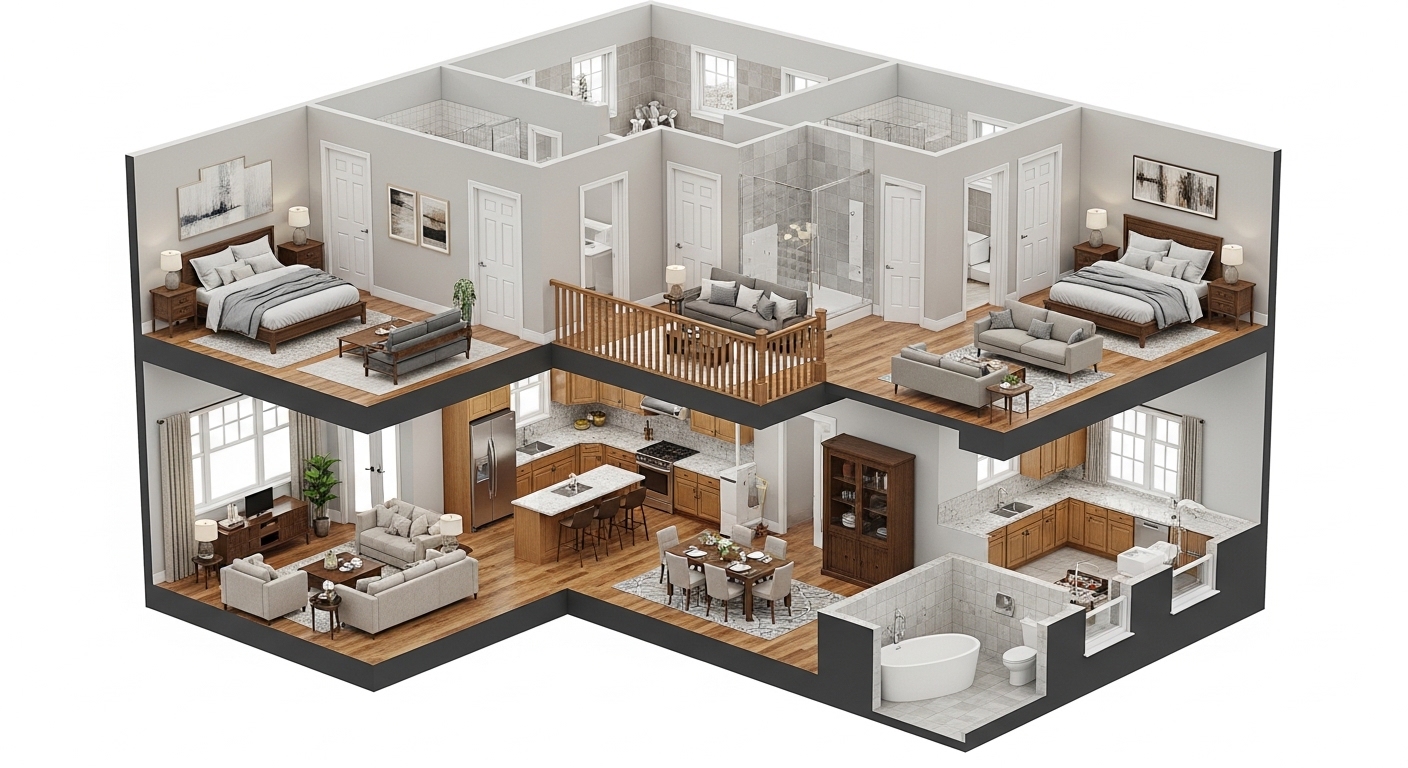
Planning a home is a unique blend of excitement and stress. You envision your future filled with cozy rooms and the promise of comfort for many years. Yet, many homeowners find themselves wishing they had thought things through differently. This guide highlights frequent house planning pitfalls and offers straightforward advice on how to steer clear of them. If you're thinking, “How do I properly plan my plot before construction begins?”, understanding common mistakes is the first step toward building a home that truly works for you.
Understanding the House Planning Process
Designing a home is not just about creativity; it involves engineering and ensuring personal comfort. In India, most families build their homes only once, so errors can lead to lasting regrets. Proper planning guarantees efficient space use, cost-effective construction, energy savings, and a comfortable living environment.
Before you plan my plot or finalize architectural drawings, it's essential to align design decisions with lifestyle, budget, and long-term goals.
Mistake #1: Not Defining Lifestyle Requirements
Before you sketch a single line, understand your family's lifestyle. Many homeowners skip this step, resulting in a house that looks good on paper but doesn't fit daily life.
When families plan my plot layouts without analyzing daily habits, they often end up compromising comfort later.
How to Avoid This:
- Consider the number of people in your household now and in the future.
- Think about whether you entertain guests often.
- Decide between an open or closed kitchen.
- Determine if you need a home office or a room for religious activities.
- Plan for elderly parents if they will live with you.
Example: A family in Chennai built an open kitchen but found it incompatible with their cooking style, which involved heavy frying. A simple partition could have prevented this issue.
Mistake #2: Poor Space Planning & Room Placement
Incorrect placement of rooms can lead to numerous issues. Bedrooms near noisy streets or bathrooms opening into living areas are common problems.
How to Avoid This:
- Position the kitchen near the dining and utility areas.
- Ensure bedrooms are in quieter parts of the home.
- Avoid long corridors that waste space.
- Keep bathrooms away from common areas.
Mistake #3: Ignoring Natural Light and VentilationFocusing too much on room size may cause you to overlook the importance of natural light. Homes with poor lighting feel cramped and consume more electricity.
How to Avoid This:
- Install windows opposite each other for cross-ventilation.
- Use skylights in internal spaces.
- Avoid blocking windows with large furniture.
- Ensure proper ventilation in kitchens and bathrooms.
Mistake #4: Misinterpreting Vastu
While Vastu can guide the flow of energy in a home, strict adherence can sometimes be impractical.
Balanced Approach:
- Use Vastu as a guide rather than a set of rigid rules.
- Prioritize functionality, light, and ventilation.
- Employ Vastu remedies like adjusting colors if structural changes aren't feasible.
Mistake #5: Underestimating Future Needs
Your home should adapt as your life changes. Newlyweds may not need extra rooms immediately, but that can change with children or frequent visitors.
A well-thought-out plan my plot strategy always considers expansion possibilities and evolving family needs.
Plan for the Future:
- Allocate space for a home office or study.
- Design multi-purpose rooms.
- Leave room for future installations like solar panels.
Mistake #6: Budgeting Without a Buffer
Construction costs can fluctuate unexpectedly. It's wise to prepare for financial surprises.
Smart Budgeting Tips:
- Keep a buffer of 10-15% of your total budget.
- Plan interiors early to avoid unexpected costs.
- Choose materials based on practicality, not just aesthetics.
Mistake #7: Poor Circulation and Layout FlowA home should have a smooth flow. Narrow corridors and awkward room placements create discomfort.
Avoid This By:
- Ensuring passages are at least 3-4 feet wide.
- Placing the staircase centrally but unobtrusively.
- Avoiding isolated rooms that lack natural pathways.
Mistake #8: Choosing Aesthetic Over Function
While beauty is important, functionality should lead your decisions.
Common Examples:
- Glass railings that constantly show fingerprints.
- High-maintenance open shelves in kitchens.
- False ceilings that trap heat.
Better Approach:
Select materials that age well and are easy to maintain.
Mistake #9: Inadequate Kitchen, Utility & Storage Planning
Kitchens and storage are the backbone of a household. Neglecting them leads to clutter.
Kitchen Planning Tips:
- Ensure a minimum of 3 feet countertop depth.
- Include tall units for groceries.
Utility Mistakes:
- Avoid placing a washing machine in the kitchen.
- Ensure space for drying clothes.
Storage Must-Haves:
- Built-in wardrobes and under-stair storage.
Mistake #10: Structural Compromises During Construction
Making last-minute changes can jeopardize structural safety.
How to Avoid This:
- Finalize the plan before construction starts.
- Never remove structural elements without professional advice.
Pro Tips for Smart House Planning
- Start with a rough lifestyle map.
- Prioritize ventilation over decorative elements.
- Choose low-maintenance materials.
- Plan electrical points early.
- If you’re unsure how to plan my plot effectively, consult a qualified architect before freezing the layout.
Do’s and Don’ts
Do's
- Maximize natural light.
- Plan for future needs.
- Consult experts.
Dont's
- Avoid blindly copying plans from the internet.
- Don't ignore utility areas.
- Don't compromise on structural safety.
Frequently Asked Questions
What is the biggest mistake in house planning?
Many skip defining their lifestyle needs, leading to mismatched layouts.
How much buffer budget should I keep?
A 10-15% buffer is advisable to cover fluctuating costs.
How do I ensure good ventilation?
Plan windows on opposite walls and avoid blocking them with furniture.
Should I follow Vastu?
Use Vastu as a guide but prioritize essential design principles.
How can I avoid storage shortages?
Plan for built-in storage from the start to keep spaces organized.
By addressing these common mistakes with thoughtful planning, you can create a home that meets your current needs and adapts to future changes. Taking the time to properly plan my plot today can save years of inconvenience, unnecessary expenses, and structural regrets tomorrow.